
We’ve been discussing time in the here-and-now, and hopefully cast some light on our current perceptions of food and time baselines in the kitchen.
These ideas about time education aren’t the know-all-end-all, but they’re definitely a realistic starting point that will eventually allow for snatching recipes from TV shows, magazines, and books and executing them with ease.
However now I’d like to move back in time to see how we got here, because that will shed light on some of the solutions we’re looking for today.
When talking about time education I referenced the training people inherently received for generations, but no longer do…
Is this a good thing or a bad thing?
 The answer is, irrefutably, both. We so desperately want food to be a cut-and-dry thing in today’s society and frankly it’s just not, as it’s inexorably tied to our bigger life pictures.
The kitchen education that happened 70+ years ago was done by people spending hours in the kitchen everyday- by children being made to peel, whisk, shuck, turn, snap, stir, can, boil, strain, etc. to help the primary cook.
This was often not their choice of things to be doing; it just had to be done.
Some of it was intentional education, but most of it was a process of osmosis born of the fact that real food takes time and the primary cook wanted help to cut down on that time. We like to look back on it now with magical rose-tinted goggles, but that’s the reality of it.
Advances in food storage and preparation over the last 100 years have paralleled advances in technology.
Read: As we’ve lessened the time we spend in the kitchen due to these advances, we’ve simultaneously replaced that time with something else this new technology has to offer.
This is an important one, because anyone wishing to return to cooking real food from scratch must, in today’s society, choose what they will give up for that time in return.
Things like email didn’t exist 70 years ago, so taking food preparation concepts from that era and using them now requires a modern outlook on time to go with that adjustment. Otherwise, frustration and overwhelm will result.
In the end, the question will always be: What’s more important to you?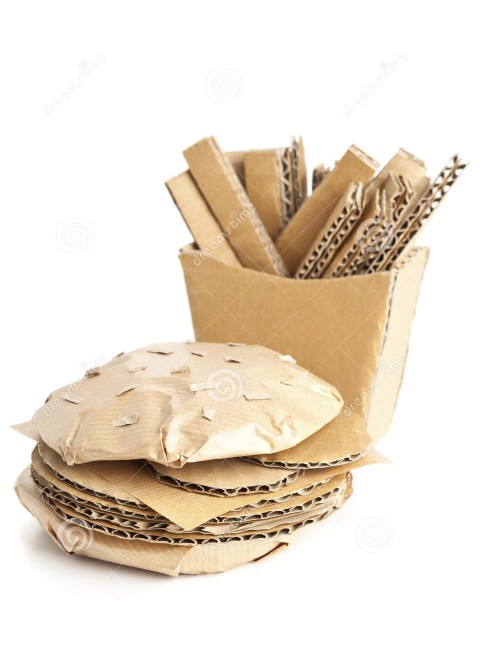
For me, the answer is real food. It takes time; an amount of time most people scoff at, but I know exactly what’s in everything I eat and my body feels amazing. You don’t have to count calories or read labels with real food, and that kind of stress-free living is a good fit for me and my family.
Of course this answer will be different for everyone, because our approach to food does not exist in a vacuum.
Societal changes and progressions that have come with women’s rights (both of my careers would not have been accessible to me 100 years ago), moving from single to dual income homes, and a myriad of other things will affect that answer in various ways.
One thing I will say though- what society thinks is popular or right for your family may not, in fact, be the right answer for your family. This is part of answering the what’s more important question, and though it seems unrelated to food, the opposite is resoundingly true.
Don’t think so? Ok, we scrutinize childcare and can now see most daycare centers’ activities online. We pour over consumer reports for everything from car seats to strollers, reading review after review to figure out what’s safest.
Yet, we’ll put the equivalent of cardboard (or worse) into their tiny bodies daily without a second thought. And ours too.
Food is one of our very basic needs, and how we approach it echoes in many of our higher decisions about how we approach our own lives and our families- especially when it comes to time. It’s all connected.
But why don’t we give that decision a second thought? Let’s find out in Part 2-


Very interesting!! Love the cardboard hamburger! In this day and age, time is moving to fast. We don’t take the time to just stop and smell the roses. With all the modern technology that practically does everything for us, why does eating healthy always at the bottom of the list? Or, like the great-grandmother next door, thinks that teaching a 12 year old boy to help around the house, is to young to learn and help! So when is a good time? What a dilemma!
LikeLike
That’s a great question- why IS it at the bottom of the list when it’s benefits are ridiculously abundant? I’d venture to say time and education- both of which we each have a personal responsibility to reign in and control in our own lives; no one is going to do it for us (this is my shocked face).
You also touched on another great point, one that I want to highlight later on- “healthy” eating and real food aren’t always the same thing 😉
LikeLike