
A frequently received question in various forms is, “how can I be a better cook?”
Though it seems simple enough, I struggle to answer most of the time as cooking is such a personalized thing.
However after mulling it over a broader brush answer came to mind- tasting.
Tasting isn’t black and white, it actually involves several factors:
1. It’s irrelevant if you like the food you’re tasting.
 Restaurant cooks frequently taste what they’re preparing, regardless of whether they like it or not. They are tasting for saltiness, overall flavor, balance, and a myriad of other things.
A “better cook” will taste something, separate out these different aspects, and adjust seasonings as necessary…
…and that cook can be you, with consistent practice.
Put your mind in a place to look past the taste of the ingredient you don’t like to access these other things. Ask, is this too tangy? Too sweet? Too salty? Do I even like it overall?
2. Taste, taste, and taste again.
There are a few reasons for this one.
First and most obviously, the dinner table is not the place to discover that this is the hands-down the worst thing you’ve ever cooked. Even though it’s hilarious, you’re still stuck scrambling to procure sustenance elsewhere.
Secondly, flavors and textures change with the application of heat, time, and other factors like salt.
By tasting dishes regularly during the cooking process, you’ll learn what those changes are for certain foods and will then be able to season with anticipation of that change. (Think of how different raw and melted swiss is)
This one thing will drastically improve your skill in the kitchen.
In a professional cooking environment, they go through hundreds of tasting spoons (think little plastic ice cream spoons) a day. In a closed environment at home you may not need a new spoon every taste, but keep tasting regardless.
3. Taste Everything. Whenever You Can.
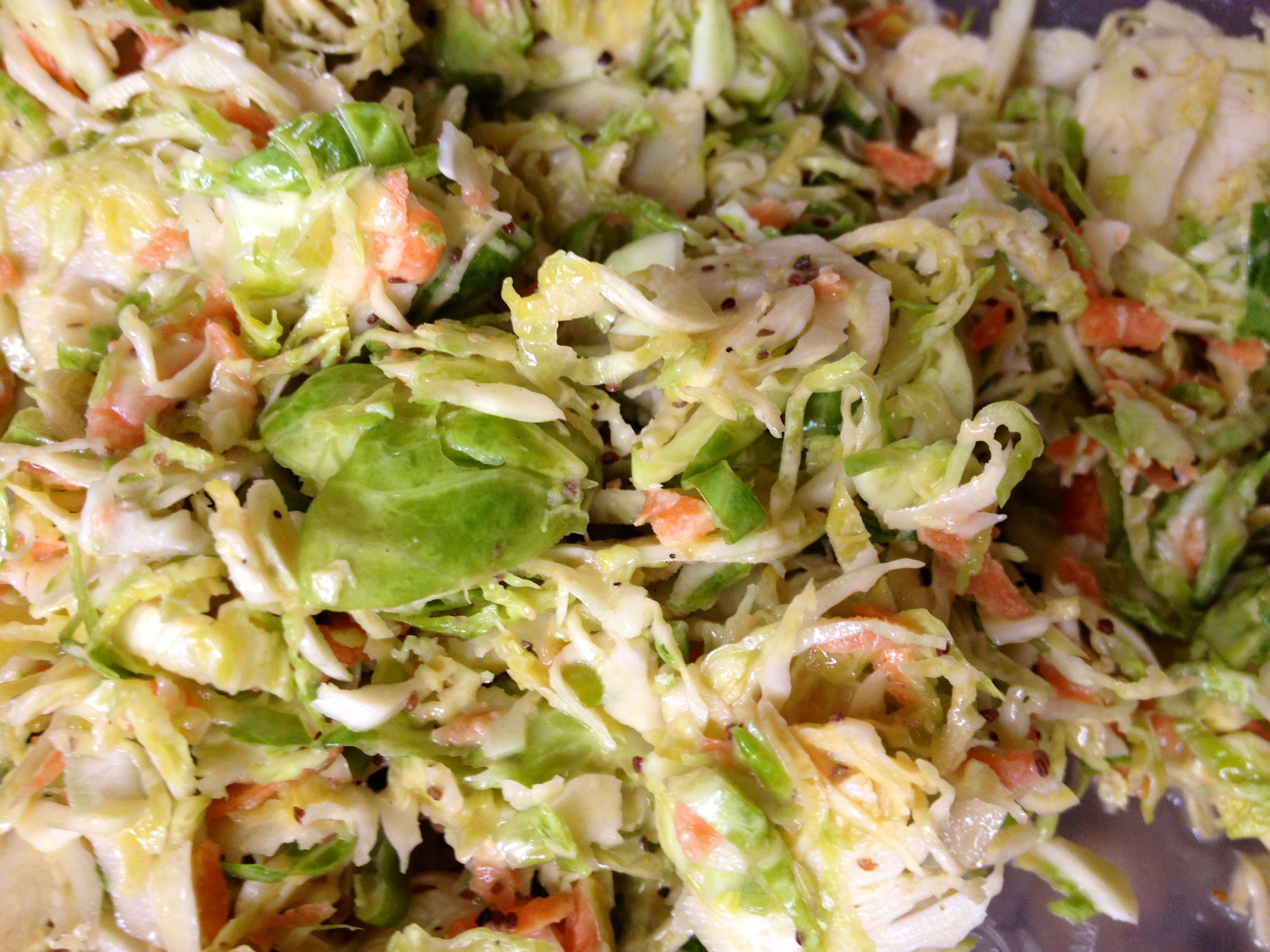 Really. Just taste everything- raw, cooked, take a little nibble. Store samples, strange appetizers? Absolutely.
The other day I unexpectedly discovered raw brussels sprouts are actually quite sweet. We shredded them for a fantastic brussels slaw we had with bbq pulled pork.
Another example is fennel, which has such massively different flavor profile from its raw to cooked form it almost doesn’t seem like the same food.
Every food is also different from harvest to harvest, even different cans of tomatoes taste different.
Taste everything, don’t trust that all (tomatoes, apples, grapes, chickens, etc.) will always taste the same. They don’t and won’t if they’re fresh and real.
4. Trust Yourself.
The first three are a waste of time if you can’t throw in the towel and learn to trust your taste buds.
This is by far one of the harder things to do; but will be your self-imposed glass ceiling, regardless of skill level, if you can’t get past it.
Ask yourself- what do I think? And answer yourself before you have someone else taste your food.
You must must must learn to trust your own opinion, and the information you continually gather from the first three items on this list will help you build that trust.
The takeaway here: knowledge is power, and tasting is knowledge. 
Tasting everything, tasting frequently, and tasting to evaluate will skyrocket your final dishes.
You will serve things with confidence when you trust yourself, even if it’s just a weeknight family meal.
Remember, the kitchen is not the place for polite nods and smiles if you truly want to improve, it’s the place for honest evaluation and feedback.
 Peel & Cleaver